
Hafiz Mausoleum – Shiraz 2020For Hafez, no sin was heavier than hypocrisy. The hypocrites were those mostly stormed in his poems. ‘Although Persian Sufi ideas constitute a significant feature of Tagore’s philosophical and mystical thought, these aspects are generally disregarded by critics of his writings* (Dr Leonard Lewisohn). With no formal education, Tagore received theContinue reading “Rabindranath Tagore in Shiraz with Hafez (1932)”
Tag Archives: India
Persian, the language of Bengal until the British arrived in 19 Century
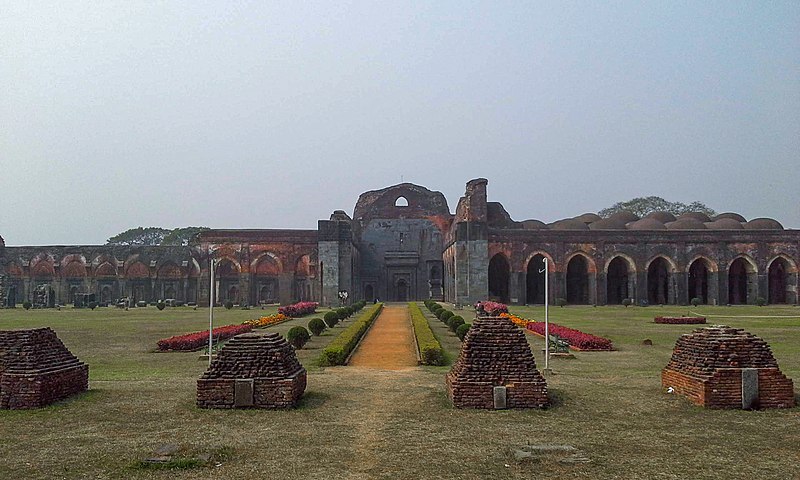
(photo: The largest Indian Mosque, West Bengal, 1300s) Persian influence in Bengal in the 18th and 19th Century (This piece is a part of series about Rabindranath Tagor’s life and upbringing in Hafez-centric Bengal) Bengal had a population of approximately 50 million at the time. It is well known that the Persianate civilization and theContinue reading “Persian, the language of Bengal until the British arrived in 19 Century”
Persian sufism and the Indian reform; Rammouhan Roy (1772-1833)
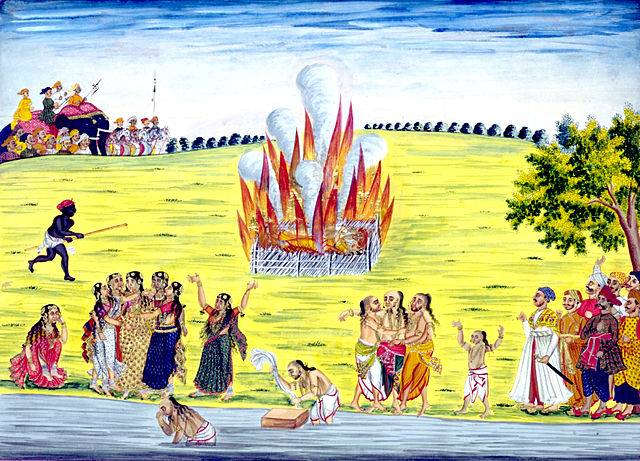
(Photo: Practice of widow-burning or sati/suttee -painted circa 1800, source: Wikimedia) From an Islamic viewpoint, Roy used the unitarian views of Persian Sufism as a vehicle to preach his reformative ideas to combat polytheism and criticizing crude Indian rituals such as voluntary or later forced wife-burning at husband funerals. (sati).* Roy, Rabindranath Tagore’s father; sufismContinue reading “Persian sufism and the Indian reform; Rammouhan Roy (1772-1833)”
Rabindranath Tagore’s trip to Iran, 1932

(Photo: Seated from right: Dīnshāh Īrānī, Muḥammad Taqī Bahār, Tagore, ‘Alī Dashtī. Standing from right: Asadī, Rashīd, ‘Abbās Iqbāl, Sa‘īd Nafīsī, Ustād Falsafī, Muḥammad Sa‘īdī, Maykada.Source: 1351 مجله موسیقی خرداد Majala-yi Mūsīqī (Khurdād 1351 A.Hsh./1972), 8 تاگور در کنار ادیبان ایرانی در ایران 1932, نشسته از راست: دینشاه ایرانی ، محمد تقی بهار ، تاگورContinue reading “Rabindranath Tagore’s trip to Iran, 1932”
 Persia; Past & Present