Nourish Your Mind. Your Most Important Asset.
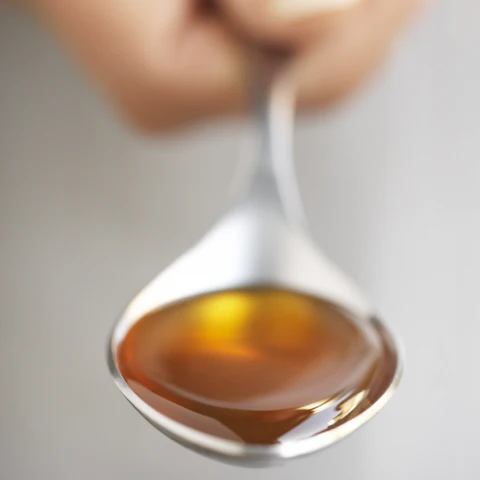
Your mind is your most important asset. Yet between constant deadlines and the pace of modern life, it’s easy to feel mentally drained.
This isn’t about willpower. It’s about nourishment.


HONEYMIND is a funstional infusion of nature’s two most precious ingredients.
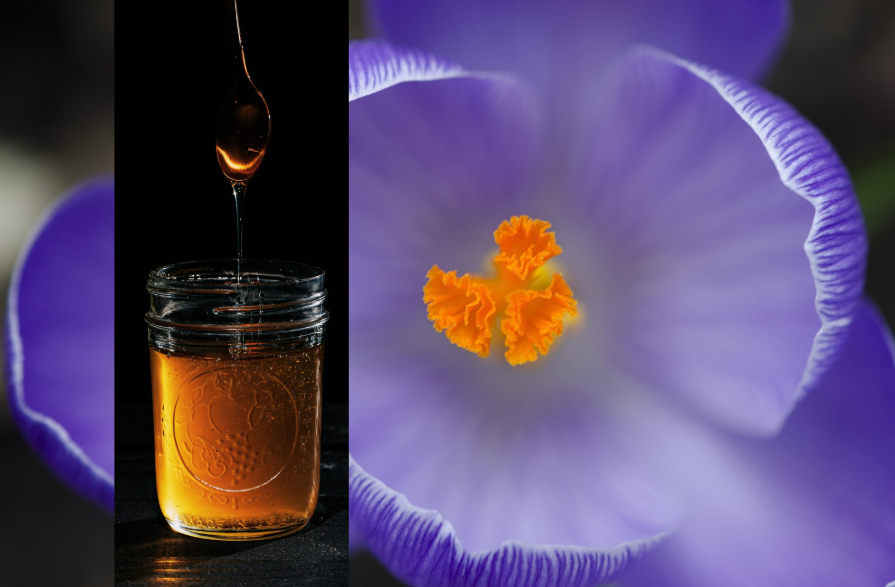
Luxurious Saffron (Highest Grade ISO 3632 Cat I)
&
Unprocessed Raw Honey
A Low and Slow Infusion
To Preserve Natural Enzymes and Nutracuticals for Mood Support & Emotional Wellbeing.
Any expert who still states there’s no scientific evidence to support the use of herbs hasn’t done their homework (link 1)(Avecinna)
Hydro-infusion of two antioxidant superfoods to support brain function (Highest grade saffron (ISO 3632, Cat I) & Unpreocessed, unfiltered, unheated raw honey)
Any expert who states there’s no scientific evidence to support the use of herbs hasn’t done their homework:
(National Library of Medicin,National Center for Biotechnlogy Information )
superfoods: Yes, both honey and saffron are widely considered superfoods due to their high concentration of beneficial compounds and associated health benefits .
Here is why each earns this title:
- Honey is classified as a superfood because of its powerful antibacterial properties and its rich content of antioxidants (like flavonoids and polyphenols), which can help boost immunity and reduce the risk of illness . Its ability to soothe sore throats and heal wounds further solidifies its status as a “super-food” .
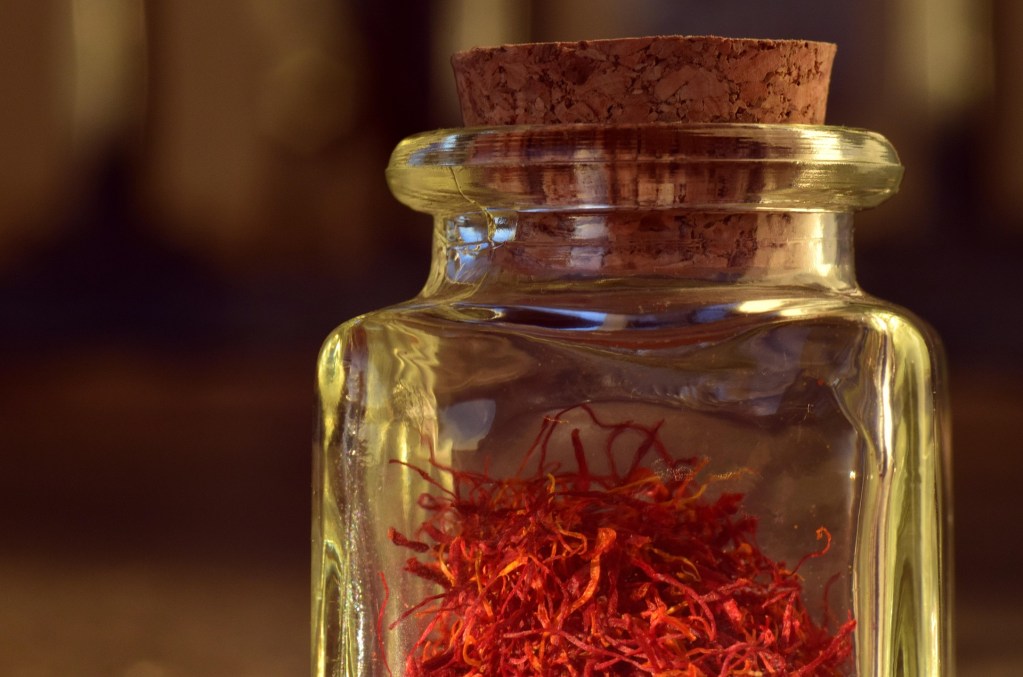
- Saffron is considered a superfood due to its high concentration of powerful antioxidants (such as crocin and safranal) . These compounds contribute to a range of potential benefits, including boosting mood and memory, protecting against disease, and promoting heart health .
In short, the term “superfood” aptly describes both honey and saffron because their natural chemical complexity—which we discussed earlier—translates into scientifically recognized health-promoting properties.
Yes, raw honey does have its own synergistic effect.
The synergy within raw honey occurs because it is not simply a sugar solution—it is a complex matrix of hundreds of compounds (flavonoids, phenolic acids, enzymes, organic acids, and minerals) that work together to produce enhanced biological effects . Scientific research confirms that honey’s antioxidant, antimicrobial, and anti-inflammatory properties result from the combined action of these constituents, particularly the polyphenols, rather than any single compound acting alone .here
This is precisely why the term “raw” matters: minimal processing preserves this natural chemical complexity. When honey is highly processed or heated, it can disrupt the delicate balance of enzymes and bioactive compounds, potentially diminishing this intrinsic synergistic effect.
So to connect with your earlier question: raw honey demonstrates intra-ingredient synergy (compounds within a single ingredient working together), whereas your proposed SMIF for honey combined with saffron would represent inter-ingredient synergy (multiple whole ingredients working together). Both are valid concepts—they just operate at different levels.
Yes, saffron demonstrates its own synergistic effect. Like raw honey, saffron’s health benefits and functional properties arise from the complex interaction of its multiple bioactive compounds working together rather than any single component acting in isolation .
Research confirms this synergy in two ways:
- Intra-ingredient synergy (compounds within saffron): Scientific studies have demonstrated that saffron’s primary bioactive compounds—crocin, crocetin, picrocrocin, and safranal—interact synergistically. For example, researchers found that picrocrocin and kaempferol glycosides enhance the coloring strength of crocetin esters through molecular interactions called copigmentation, producing a greater effect than crocetin esters alone . This physical-chemical synergy mirrors the biological synergy underlying saffron’s therapeutic effects.
- Inter-ingredient synergy (saffron combined with other ingredients): Recent studies show that when saffron is combined with other natural products like elderberry and melilotus, the mixture proves more effective than saffron alone in preventing inflammation and activating antioxidant pathways . Similarly, saffron combined with chamomile showed greater antidiabetic and cognitive benefits than either herb alone . Research also suggests potential synergies between saffron compounds and conventional cytotoxic molecules in cancer therapy .
So to complete the parallel with your earlier discussion: raw honey exhibits intra-ingredient synergy through its complex enzymatic and polyphenolic matrix, while saffron exhibits intra-ingredient synergy through its crocin-picrocrocin-safranal interactions—and both show promise for inter-ingredient synergy when combined with other natural products.
https://www.adventureiran.com/rasht-gastronomy-city/

&
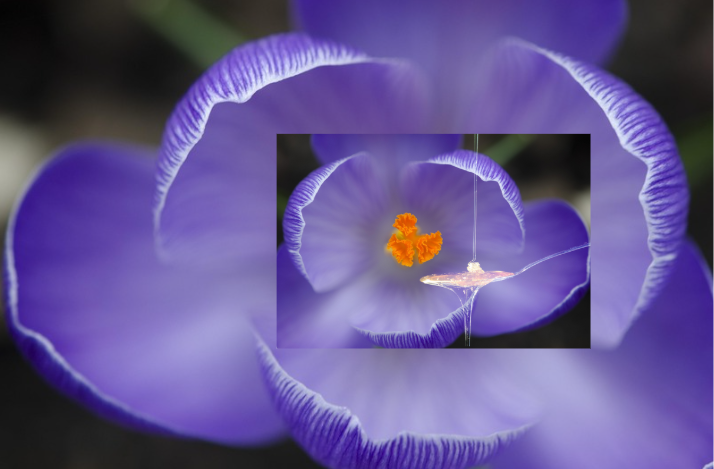
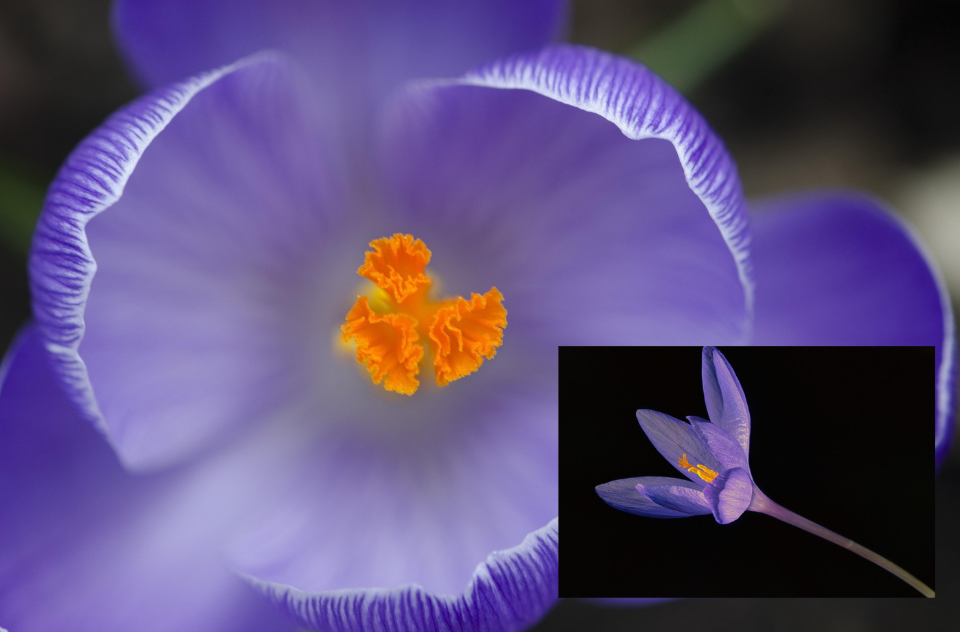
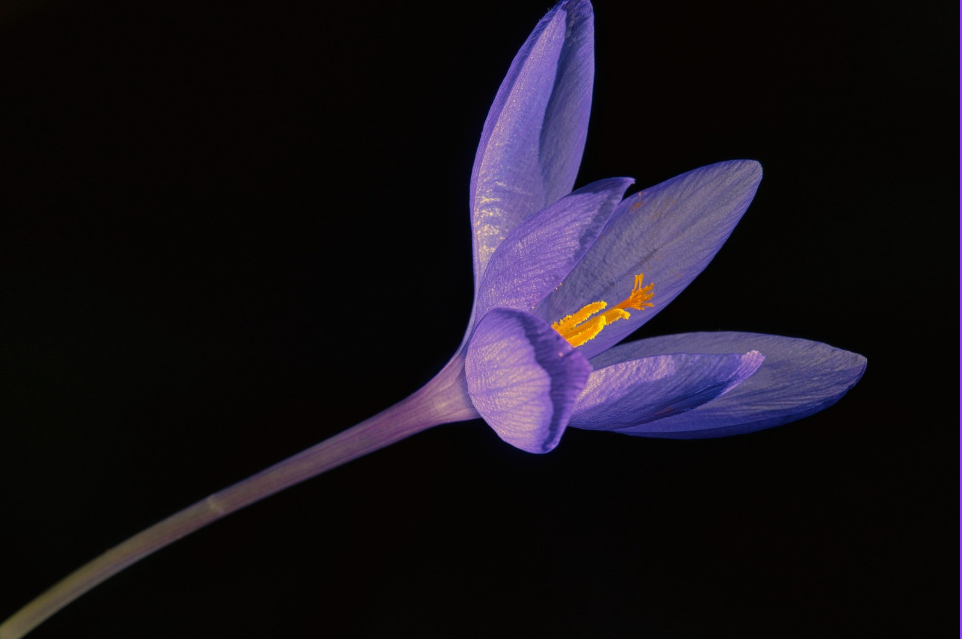
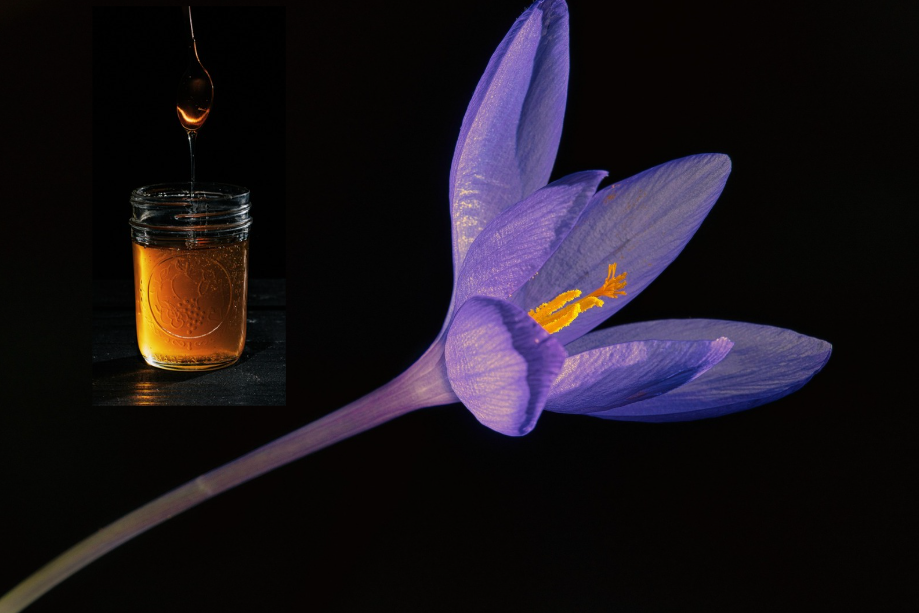
HONEYMIND is the functional infusion of nature’s two most precious ingredients:

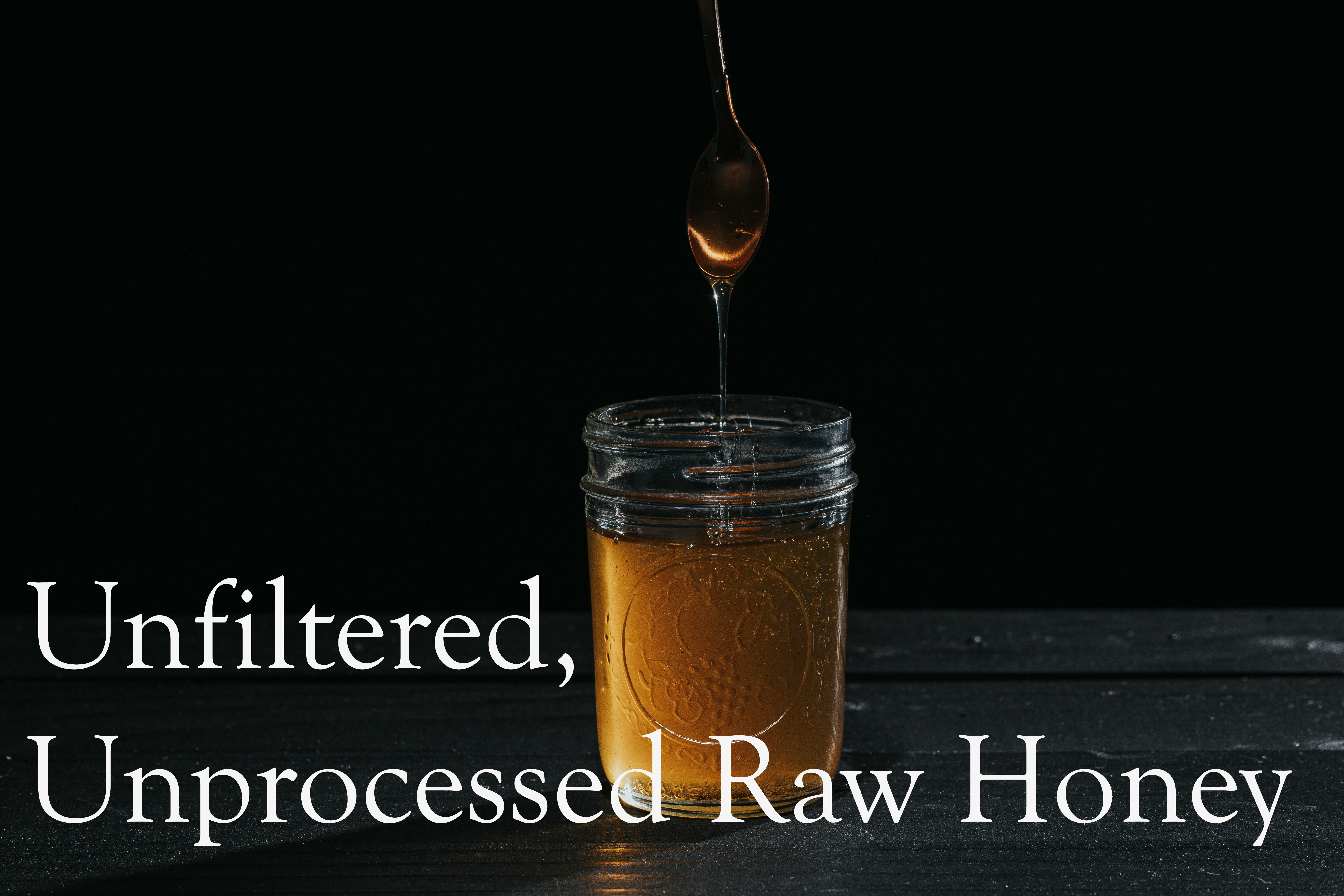
… and
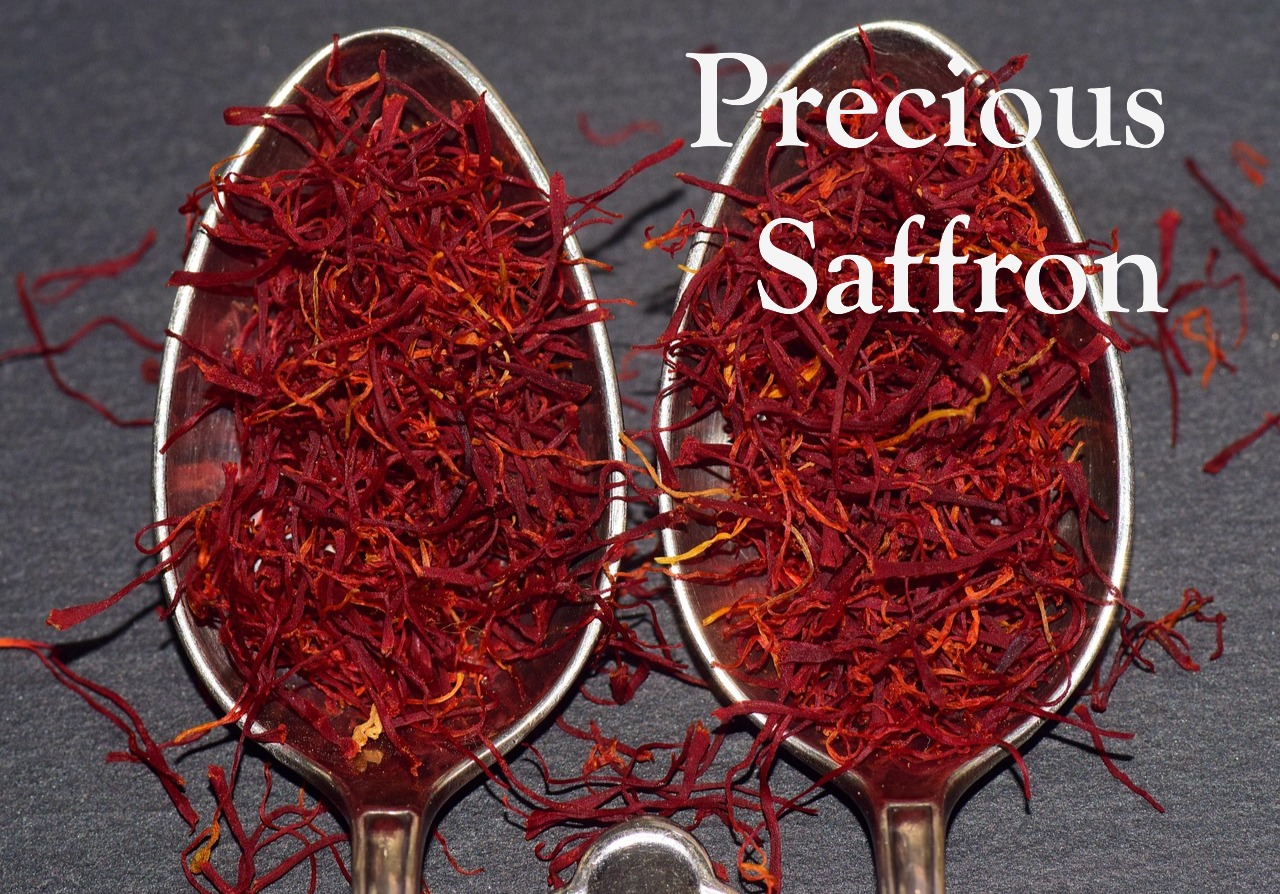
A Low & Slow Process to preserve the precious enzymes and bioactive ingredients.
A golden spoonful of honey.
The new definition of everyday well-being.
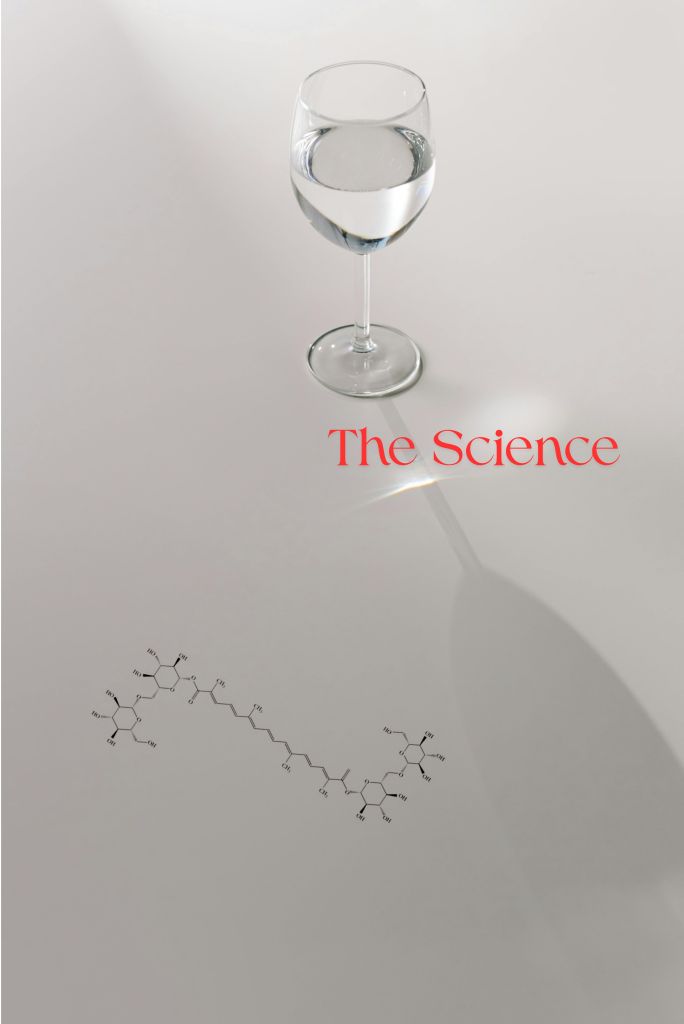
The Science


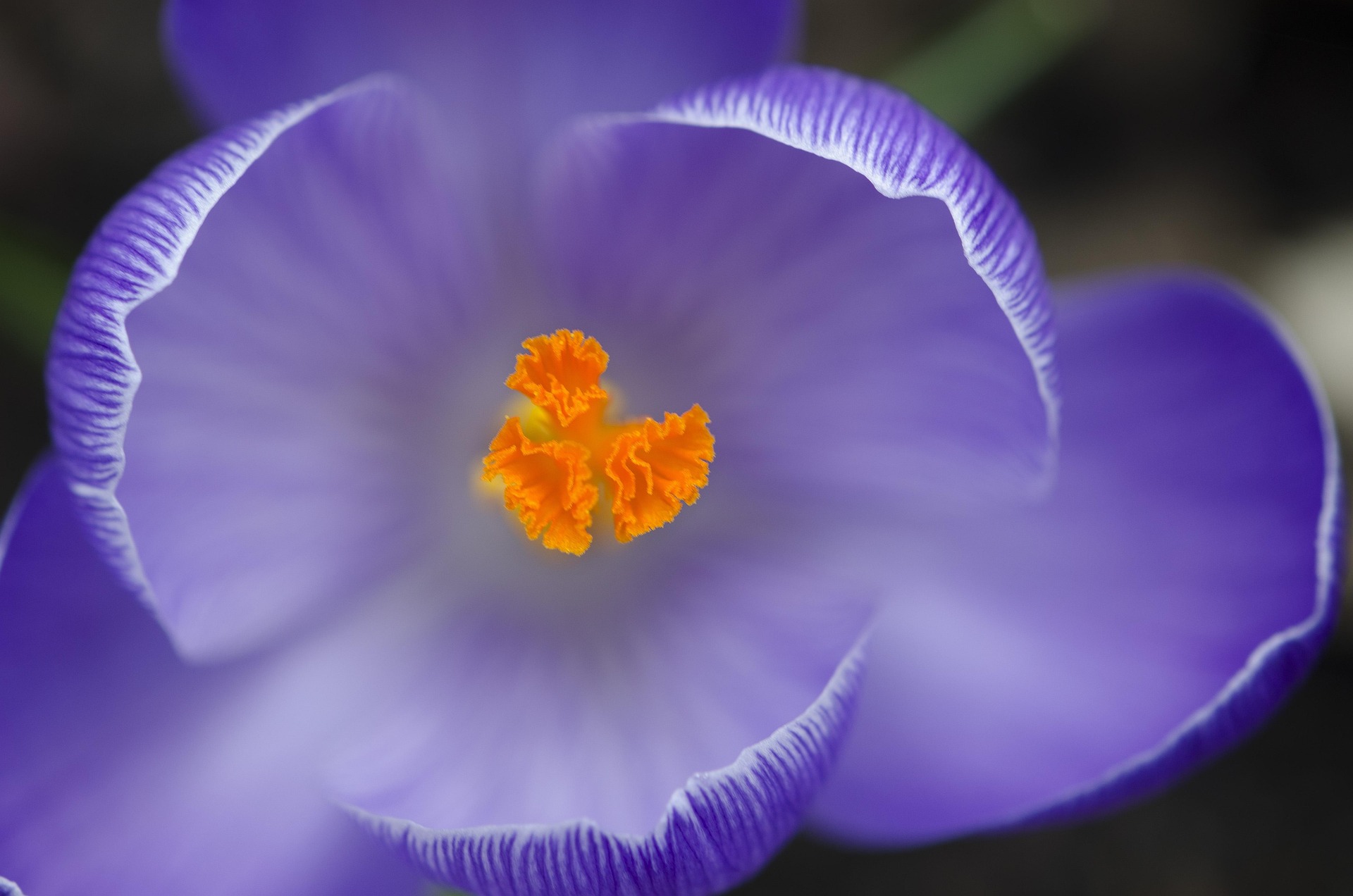
Any “expert” who still states there’s no scientific evidence to support the use of herbs hasn’t done their homework.
Also mention traditional use …..One of interesting example is saffron (Crocus sativus) for emotional wellbeing and mood support that has been mentioned by Avicenna in his famous book close to 1000 years ago. Avivenna’s famous works is the Canon of Medicine was a standard medical text at many medieval universities, a text-book in the universities of Montpellier and Leuven as late as 1650.
The first evidence-based study on saffron mood support was published in 2004.