
به مناسبت بازگشت الواح هخامنشی به ایران – تهران, سپتامبر -۲۰۲۳ هفته قبل -پس از نزدیک به نود سال- ۳۵۰۶ لوح تاریخی دوران هخامنشی که در سال ۱۳۱۱ درتخت جمشید کشف شده بود و به مدت دو سال به دانشگاه شیکاگو امانت داده شده بود به ایران برگردانده شد. این الواح اداری مربوط به مدیریتContinue reading “چرا موزه های لندن مانند دیگر موزه ها اشیاء هنری کلکسیونهای خود را به صاحبان اصلی آنها برنمیگردانند؟”
Author Archives: Z.A.
فراتراز تاسیسات هسته ای! غارت هنری شهرمن نطنز

حدود ۱۵۰ سال پیش کنت ژولین دو روشوشوا (وزیر فرانسوی) درخاطرات سفر ایران خود درسال ۱۲۴۶ شمسی:یا ۱۸۶۷میلادی اینطور میگوید .آجرهای تزئینی مسجد نطنززیباترین آجرهای میناکاری شده در ایران است
Rabindranath Tagore in Shiraz with Hafez (1932)

Hafiz Mausoleum – Shiraz 2020For Hafez, no sin was heavier than hypocrisy. The hypocrites were those mostly stormed in his poems. ‘Although Persian Sufi ideas constitute a significant feature of Tagore’s philosophical and mystical thought, these aspects are generally disregarded by critics of his writings* (Dr Leonard Lewisohn). With no formal education, Tagore received theContinue reading “Rabindranath Tagore in Shiraz with Hafez (1932)”
Parthian shots (Shiraz competition, 2020)
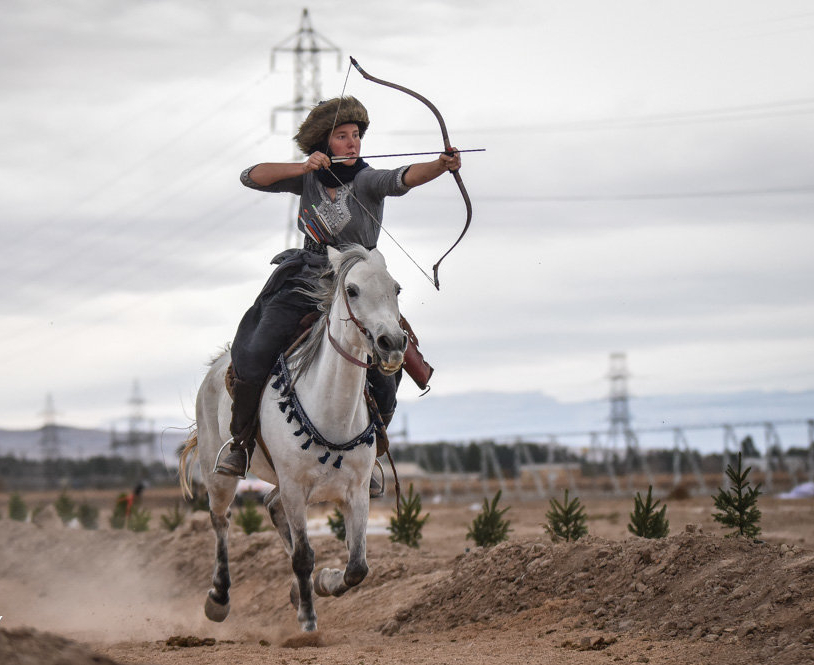
Parthians were known as skilled cavalrymen who were remarkably adept at aiming their bows both backwards and forwards at enemies. After their defeat from Alexander of Macedonia, Parthians – an Iranian tribe of the Caspian Sea – established the Iranian dynasty of Ashkanian/Parthian and ruled from 240 BC to 224 AD. At its height, itContinue reading “Parthian shots (Shiraz competition, 2020)”
The ‘Ardebil’ carpet and its lanterns
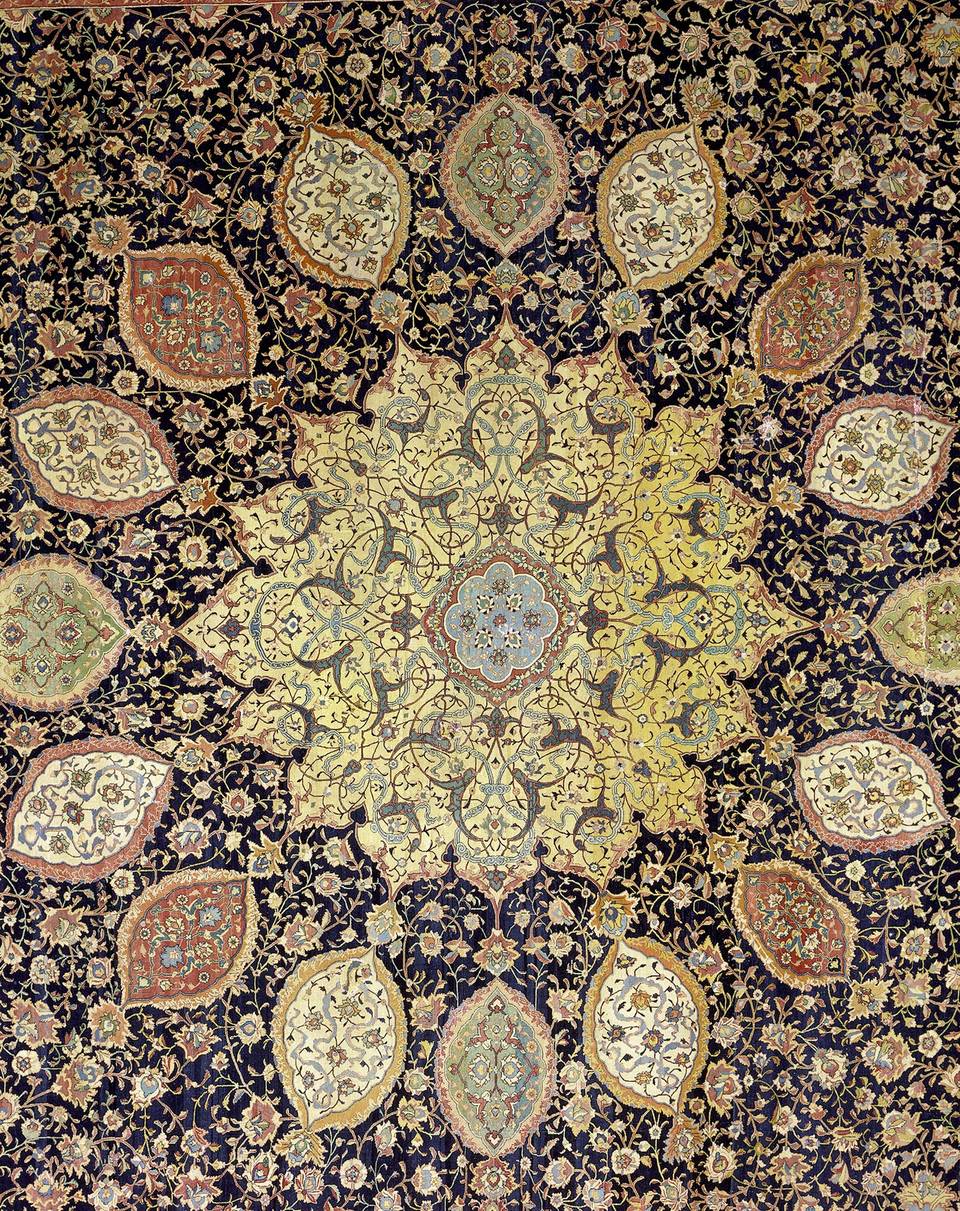
In a perfectly symmetric masterpiece carpet why are the carpet’s two lanterns asymmetric in shape, size and design? ‘ The lamps shown hanging from the centrepiece (medallion) are of different sizes. Some say that this was done to create a perspective effect.’ (V&A Museum)
A piano and violin concerto for a Persian carpet; carpets and power
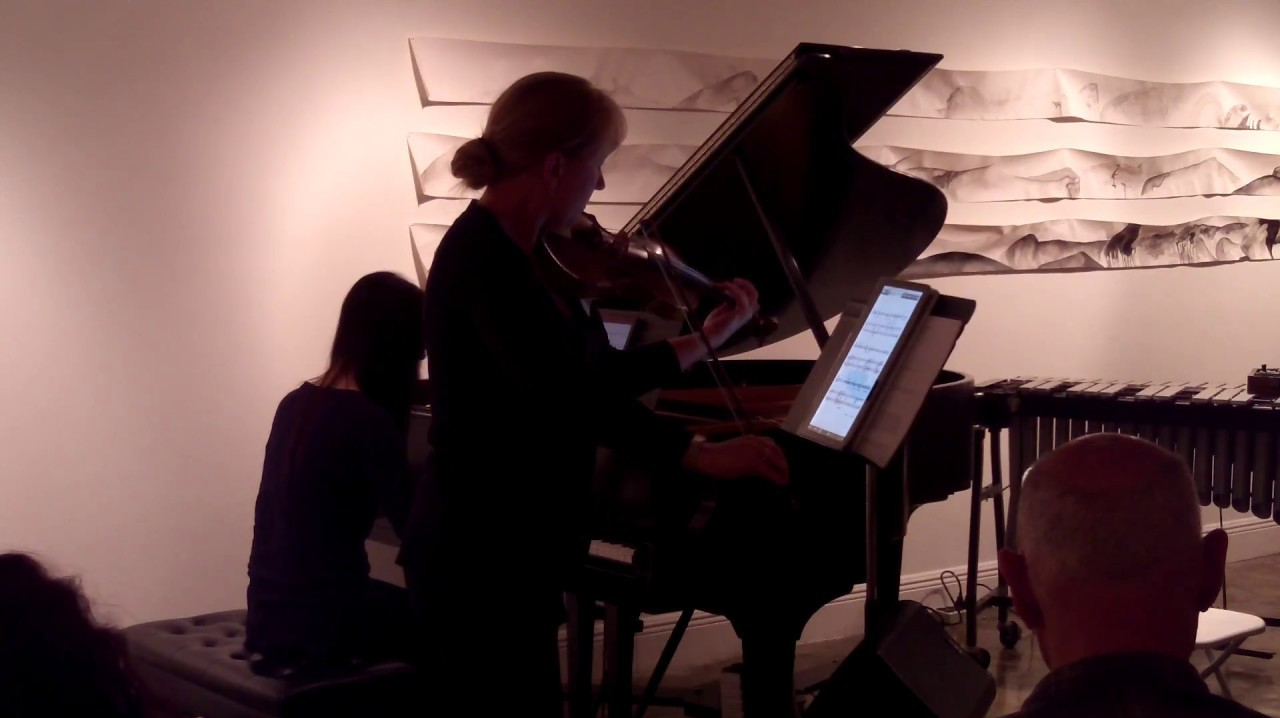
Photo and video, courtesy of YouTube (tumeplais) _ Arabs conquered Iran (then Persia) in 636 AD when the kings of the Sassanian dynasty were in power for over four centuries. When they seized the palace of the Sassanian king in their capital in Ctesiphon (تیسفون), or current Baghdad (بغداد ), they discovered an enormous carpetContinue reading “A piano and violin concerto for a Persian carpet; carpets and power”
Persian, the language of Bengal until the British arrived in 19 Century
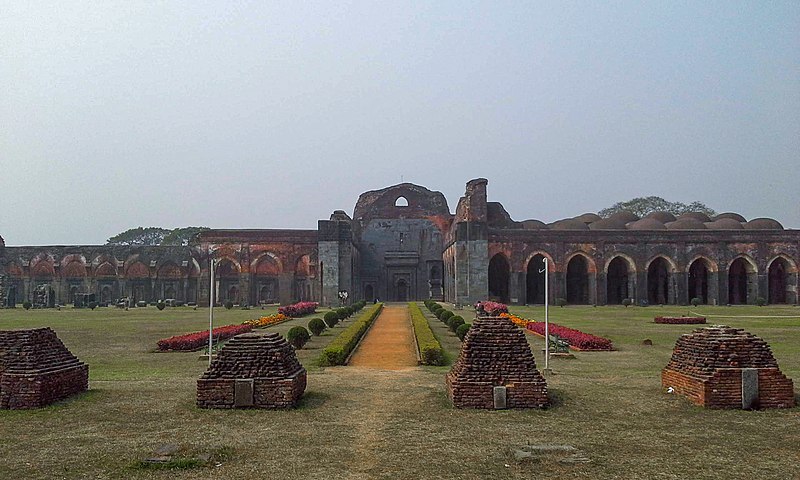
(photo: The largest Indian Mosque, West Bengal, 1300s) Persian influence in Bengal in the 18th and 19th Century (This piece is a part of series about Rabindranath Tagor’s life and upbringing in Hafez-centric Bengal) Bengal had a population of approximately 50 million at the time. It is well known that the Persianate civilization and theContinue reading “Persian, the language of Bengal until the British arrived in 19 Century”
What do the 10 Downing street office and Adolf Hitler’s Berlin office have in common?
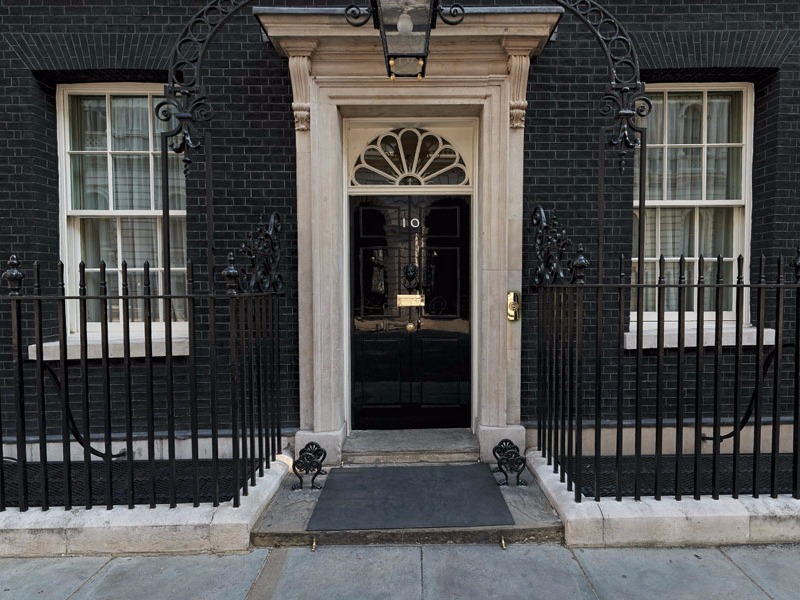
Persian sufism and the Indian reform; Rammouhan Roy (1772-1833)
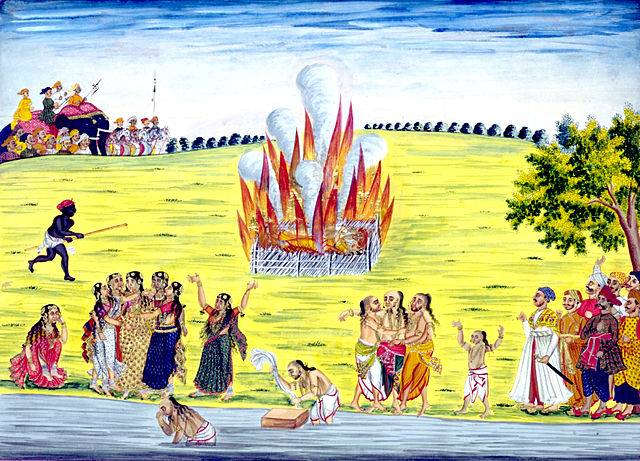
(Photo: Practice of widow-burning or sati/suttee -painted circa 1800, source: Wikimedia) From an Islamic viewpoint, Roy used the unitarian views of Persian Sufism as a vehicle to preach his reformative ideas to combat polytheism and criticizing crude Indian rituals such as voluntary or later forced wife-burning at husband funerals. (sati).* Roy, Rabindranath Tagore’s father; sufismContinue reading “Persian sufism and the Indian reform; Rammouhan Roy (1772-1833)”
Rabindranath Tagore’s trip to Iran, 1932

(Photo: Seated from right: Dīnshāh Īrānī, Muḥammad Taqī Bahār, Tagore, ‘Alī Dashtī. Standing from right: Asadī, Rashīd, ‘Abbās Iqbāl, Sa‘īd Nafīsī, Ustād Falsafī, Muḥammad Sa‘īdī, Maykada.Source: 1351 مجله موسیقی خرداد Majala-yi Mūsīqī (Khurdād 1351 A.Hsh./1972), 8 تاگور در کنار ادیبان ایرانی در ایران 1932, نشسته از راست: دینشاه ایرانی ، محمد تقی بهار ، تاگورContinue reading “Rabindranath Tagore’s trip to Iran, 1932”
Rabindranath Tagore and Persian sufism

(Photo: Painting by Rabindranath Tagore’s : Nishat( نشاط), Nishat means Joy in Persian)
Beyond its nuclear facility, my city Natanz
Count Julien de Rochechouart, the French minister’s memoir of his 1867 trip to Iran:* ‘The most beautiful enamelled bricks that have been made in Persia are those which decorate the mosque of Natanz.’
Imam Ali’s followers in a princely family; Robindranath Tagore

Dr Leonard Lewisohn notes that ‘although Persian Sufi ideas constitute a significant feature of Tagore’s philosophical and mystical thought, these aspects are generally disregarded by critics of his writings*. With no formal education, Tagore received the 1913 literary Nobel Prize for his spiritual poems. In this series, we take a look at his upbringing andContinue reading “Imam Ali’s followers in a princely family; Robindranath Tagore”
Hungry stones; an excerpt of a short story by Rabindranath Tagore (in English and Persian)

(Photo: Painting by Rabindranath Tagore, nasim-bagh (نسیم باغ) meaning garden breeze in Persian) Dr Leonard Lewisohn notes that ‘although Persian Sufi ideas constitute a significant feature of Tagore’s philosophical and mystical thought, these aspects are generally disregarded by critics of his writings*. Hungry stones; an excerpt of a short story (English) ‘ … . AtContinue reading “Hungry stones; an excerpt of a short story by Rabindranath Tagore (in English and Persian)”
چرا تاگور, برنده جایزه نوبل ,عنوان افتخاری شوالیه -اهدایی ملکه انگلیس- را پس فرستاد؟
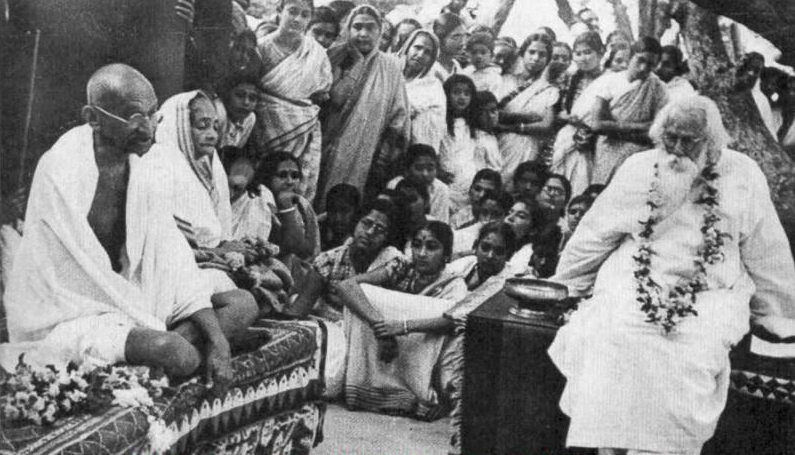
تاگور میزبان گاندی و همسرش کاستوربا در سانتینیکتان در سال ۱۹۴۰ است باغ جیلان والا جنگ جهانی اول ( ۱۹۱۸-۱۹۱۴) در نوامبر ۱۹۱۸ زمانی که آلمان با متفقین پیروز (بریتانیا، فرانسه و ایالات متحده آمریکا) آتش بس امضا کرد، به پایان رسید دخالت در این جنگ برای هند هیچ منافعی نداشت . اما عمدتاً بهContinue reading “چرا تاگور, برنده جایزه نوبل ,عنوان افتخاری شوالیه -اهدایی ملکه انگلیس- را پس فرستاد؟”
Hafez’s advice to Rabindranath Tagore

(Photo: New Year’s eve at Hafiz’s mausoleum, Shiraz, March 2020; every year hundreds gather to share their New Year’s eve and day with Hafiz. Source: Mehr News Agency) 14th century gold-illuminated Divan of Hafez sells for £375,000 at Sotheby’s, June 19, 2020 Dr Leonard Lewisohn notes that ‘although Persian Sufi ideas constitute a significant feature ofContinue reading “Hafez’s advice to Rabindranath Tagore”
From avoiding schools to winning the 1913 literary Nobel prize
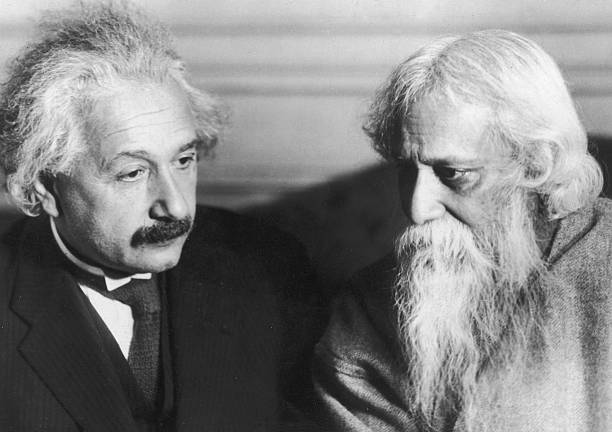
(‘Proper teaching must raise curiosity, not explaining things.’) Dr Leonard Lewisohn notes that ‘although Persian Sufi ideas constitute a significant feature of Tagore’s philosophical and mystical thought, these aspects are generally disregarded by critics of his writings*. Growing up in a wealthy family, Tagore was raised by servants. He did not have a formal education.Continue reading “From avoiding schools to winning the 1913 literary Nobel prize”
 Persia; Past & Present